



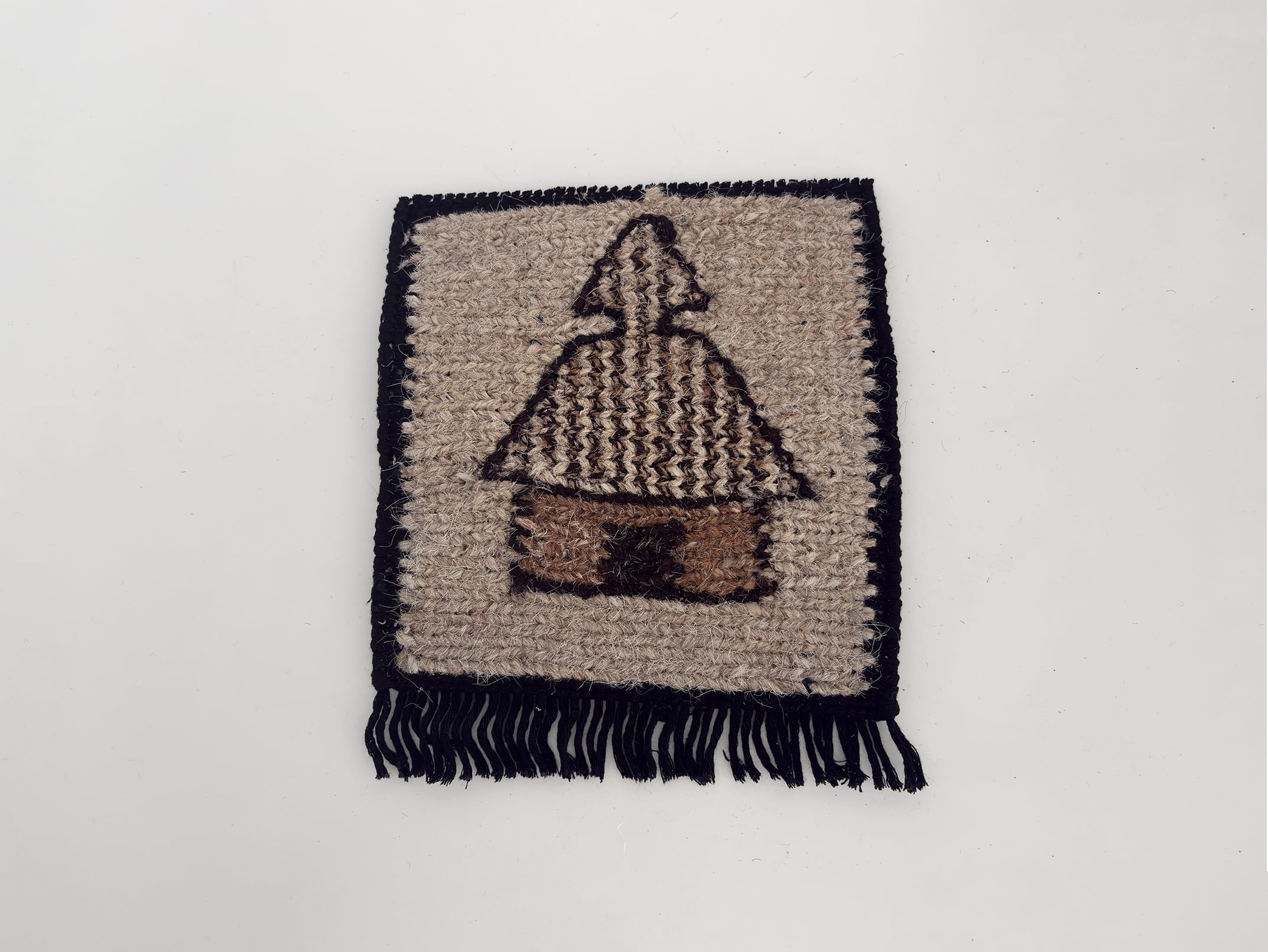
エチオピア テキスタイル 高地文化 手織りウール 壁掛け |Ethiopian Wool Textile Rug
¥3,900
SOLD OUT
NOTES/注意事項
- サイズは手作業で計測しているため、多少の誤差が生じる場合があります。
- ご利用の端末やモニター設定により、実物と画面上の色味・明るさが異なる場合があります。
- 詳細画像のご希望やご質問がございましたら、お気軽にお問い合わせください。
- アンティーク・ヴィンテージ作品には、多少のがたつき、傷、欠け、色落ち、汚れなどが見られる場合があります。これらも作品が重ねてきた時間と風合いの一部として、あらかじめご了承ください。
- WOUETでは、アフリカ各地で選んだ新品・中古品・ヴィンテージ作品を取り扱っています。
- 商品状態はできる限り詳しく掲載していますが、新品・未使用品にも手仕事や保管・輸送に由来する小さな傷、色むら、色落ち、汚れなどが見られる場合があります。
IMPORTANT NOTES
- Measurements are approximate and may vary slightly.
- Colors and brightness may differ from the actual item depending on your device or display settings.
- Please contact us if you would like additional detailed photographs or have any questions.
- Antique and vintage pieces may show slight wobbling, scratches, chips, color loss, stains, or other signs of age. We regard these traces as part of the character and history of each piece.
- WOUET offers new, pre-owned, and vintage works sourced across Africa.
- We describe the condition of every item as accurately as possible. However, even new or unused pieces may have minor scratches, variations in color, fading, or marks resulting from handcrafting, storage, or transport.
エチオピアの高地文化圏で、手仕事により織られた小型のラグ。
アフリカ 民芸・アフリカ 工芸品としての背景を持ちながら、現代空間にも馴染むプリミティブアートとしておすすめです。
エチオピアで織られたこのラグは、生成りのウールをベースにブラウンとブラックで構成されたミニマルな配色が特徴です。手紡ぎに近い糸の不均一さと、やや粗めの織りが生む立体感により、視覚だけでなく触感でも素材の豊かさを感じられます。縁取りのブラックは全体を引き締め、中央のモチーフを際立たせる役割を持っています。
中央には、エチオピア高地に見られる住居の形、主食であるインジェラ、そして鳥のモチーフが配されています。
インジェラは、エチオピアを代表する主食で、発酵させた穀物の生地を薄く焼き上げたクレープ状の食べ物です。
柔らかく、独特の酸味を持ち、料理を包んだり、すくったりしながら食べられます。
食卓では、大きなインジェラを一枚広げ、その上に複数の料理を盛り付け、人々が同じ皿を囲んで食事をします。
この食べ方自体が、エチオピアの食文化を象徴しています。
インジェラは単なる食べ物ではなく、人が集い、食卓を囲む時間そのものを支えてきた存在です。
家族や仲間と同じインジェラを分かち合う行為は、日常の中で関係性を確かめ、時間を共有する自然な習慣でもあります。
いずれも、現地の人々の暮らしに深く根ざした身近な存在です。
ハンドメイドなので、若干のデザイン違いがございます。
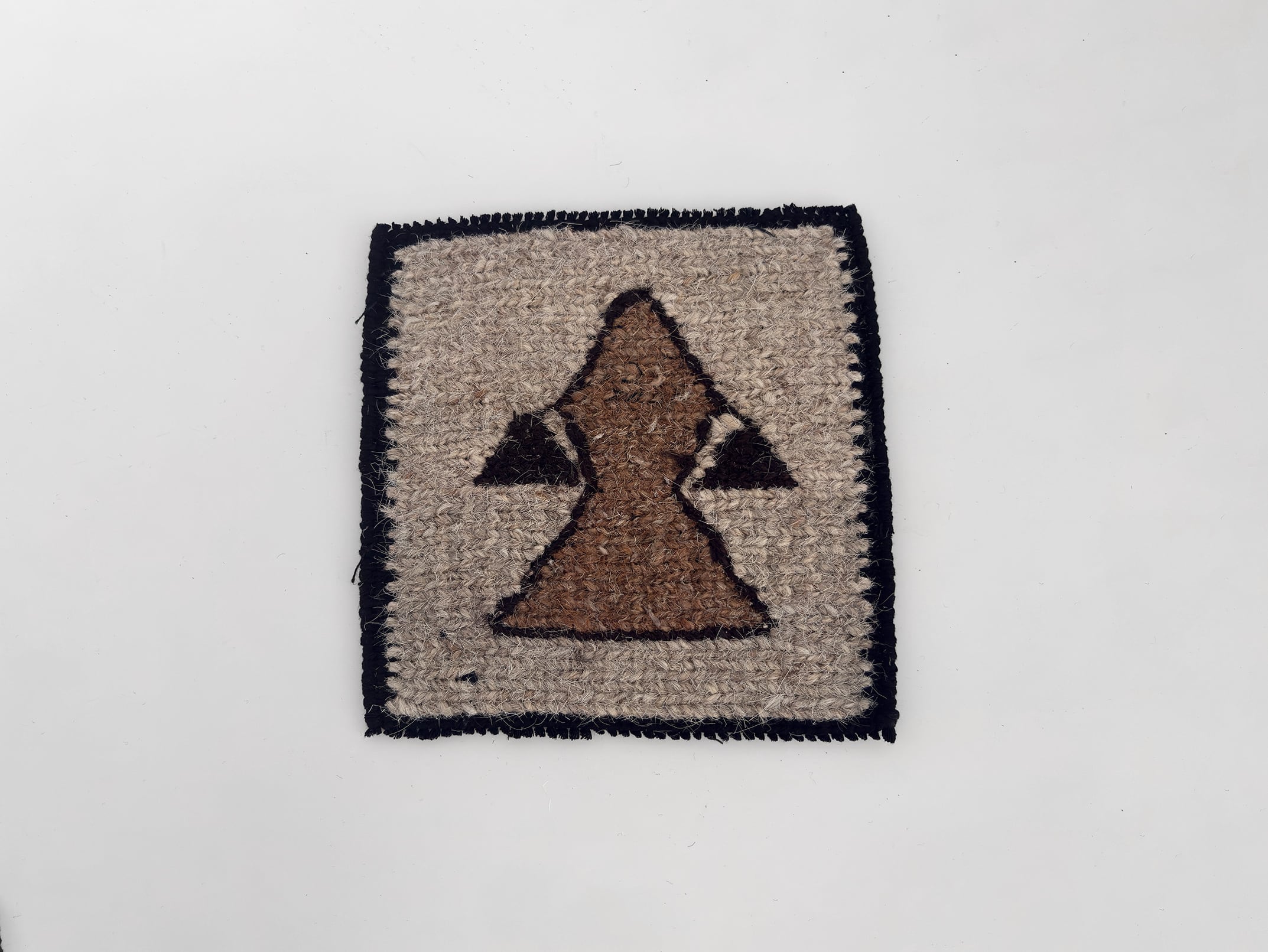
①インジェラ (左右に三角モチーフ)
中央のバスケットモチーフに加え、左右に広がる形状が特徴的なデザイン。インジェラを覆う布や広がりを抽象化したものと考えられ、食卓や共有のシーンを感じさせる生活モチーフとして表現されています。
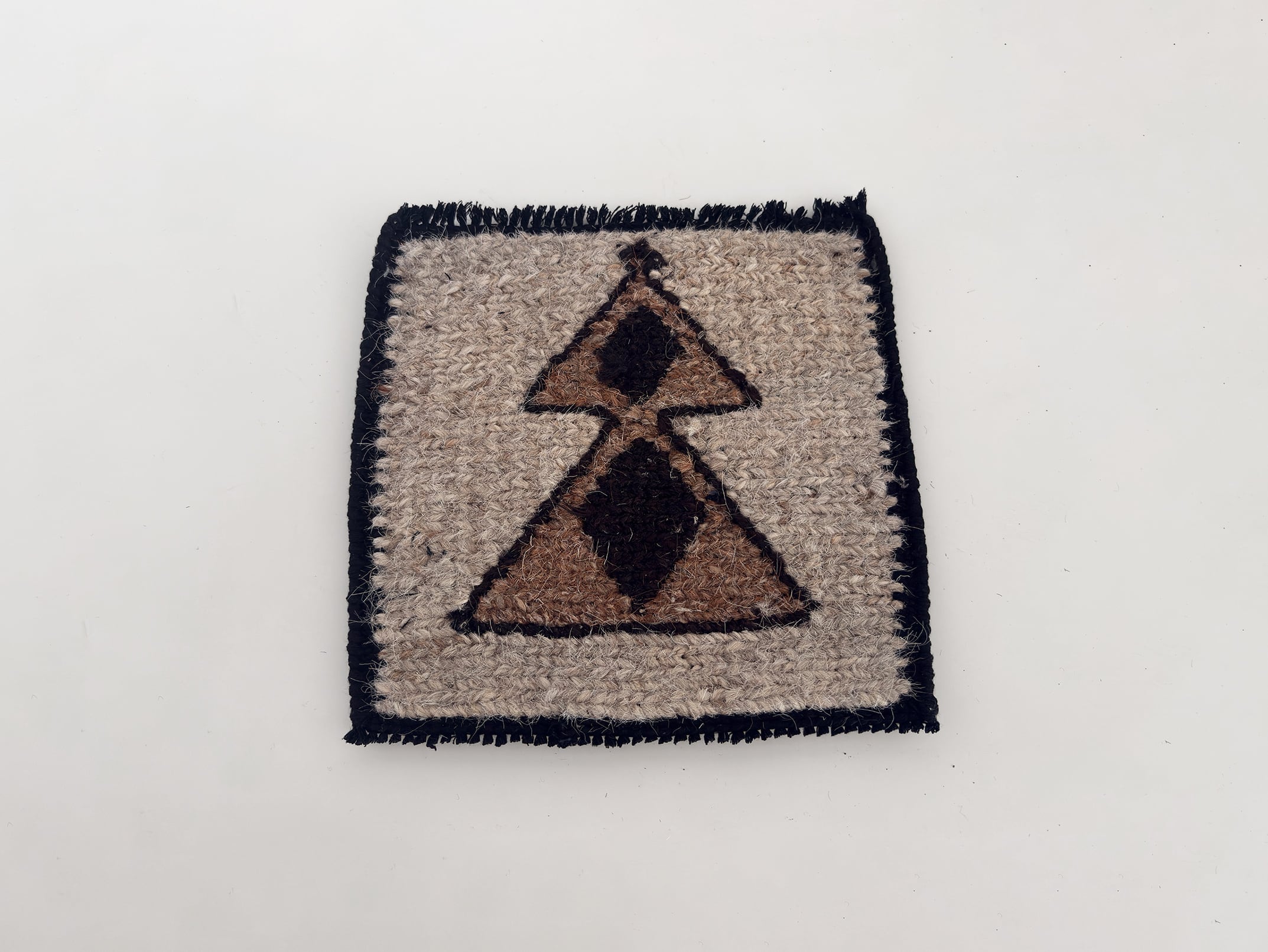
②インジェラ(ブラック)
エチオピアの食文化に欠かせないインジェラを収める蓋付きバスケット(メソブ)モチーフ。中央の幾何学模様は器のシルエットを抽象化したもので、食や日常を象徴する生活モチーフとして表現されています。
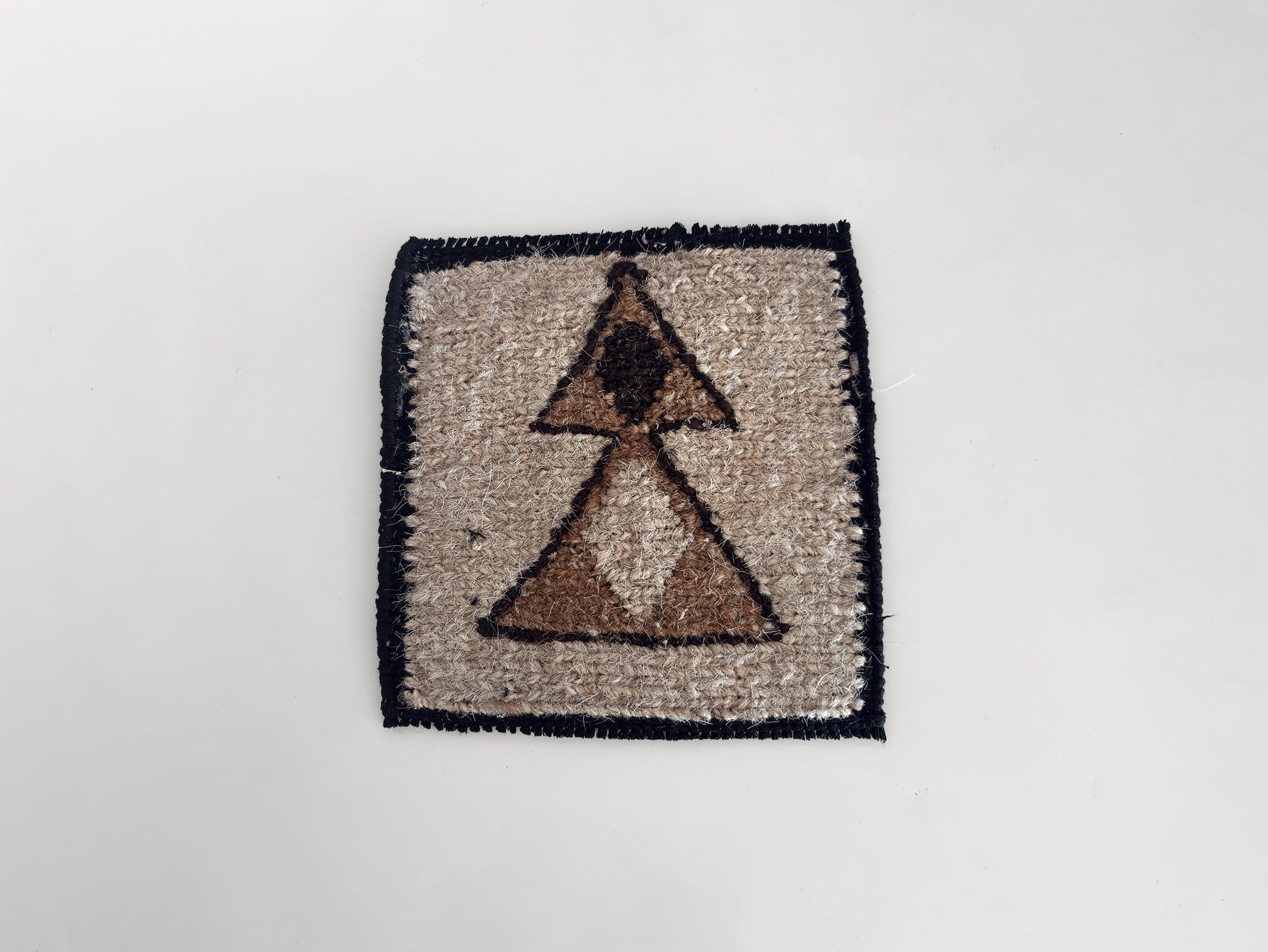
③インジェラ(ブラック&ホワイト)
エチオピアの食文化に欠かせないインジェラを収める蓋付きバスケット(メソブ)モチーフ。中央の幾何学模様は器のシルエットを抽象化したもので、食や日常を象徴する生活モチーフとして表現されています。
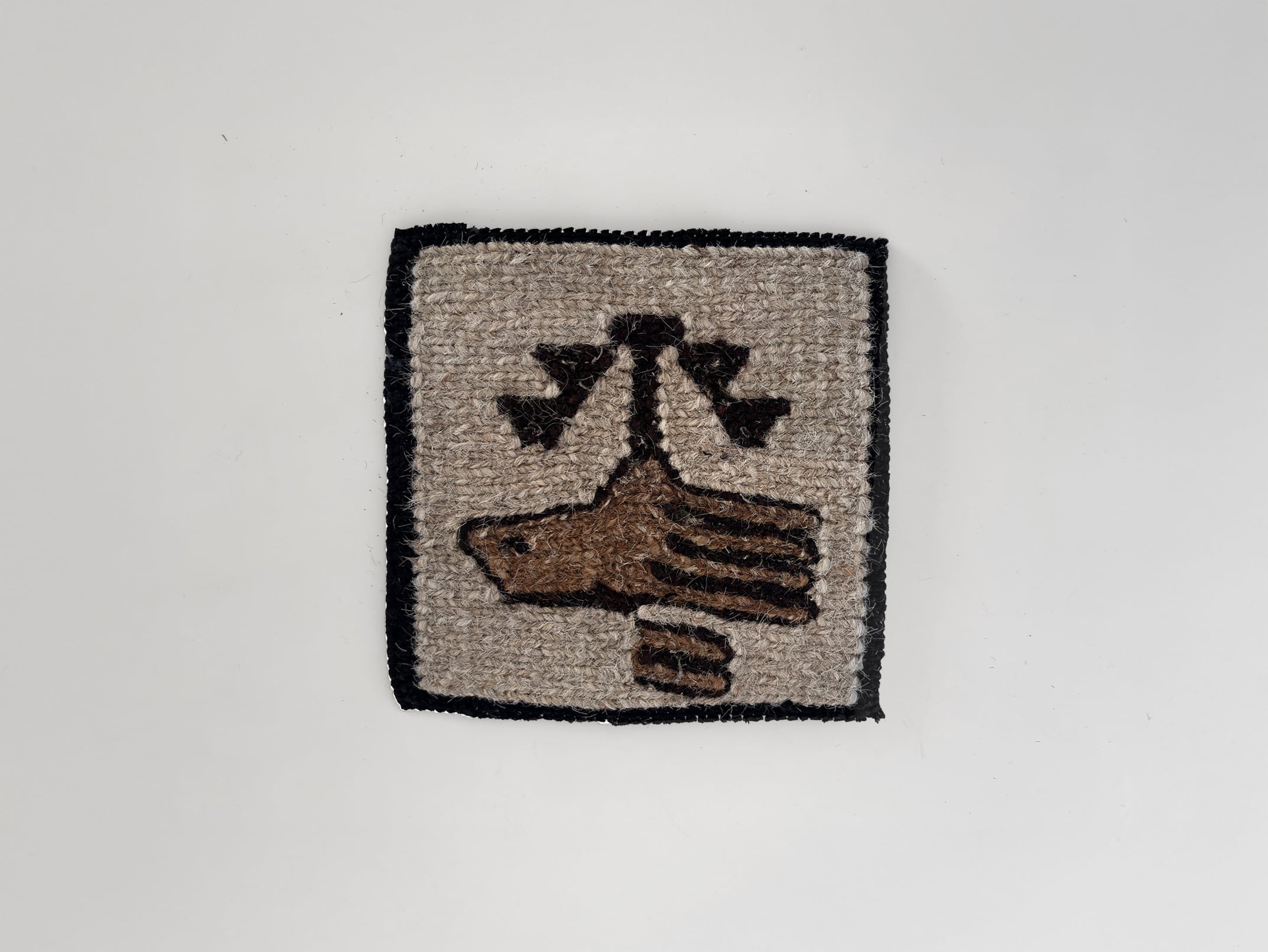
④鳥のモチーフ
WOUETでも人気の高い、ほろほろ鳥の陶器製の置物と同様に、エチオピアを含むアフリカの文化圏では、鳥は人々の暮らしのすぐそばにいる身近な生きものとして親しまれてきました。
そのため、鳥のモチーフは物語性や象徴性を強く主張するものではなく、自然とともに暮らす感覚や、日々の生活の一部を表す形として、シンプルに表現されています。
⑤エチオピアの住居
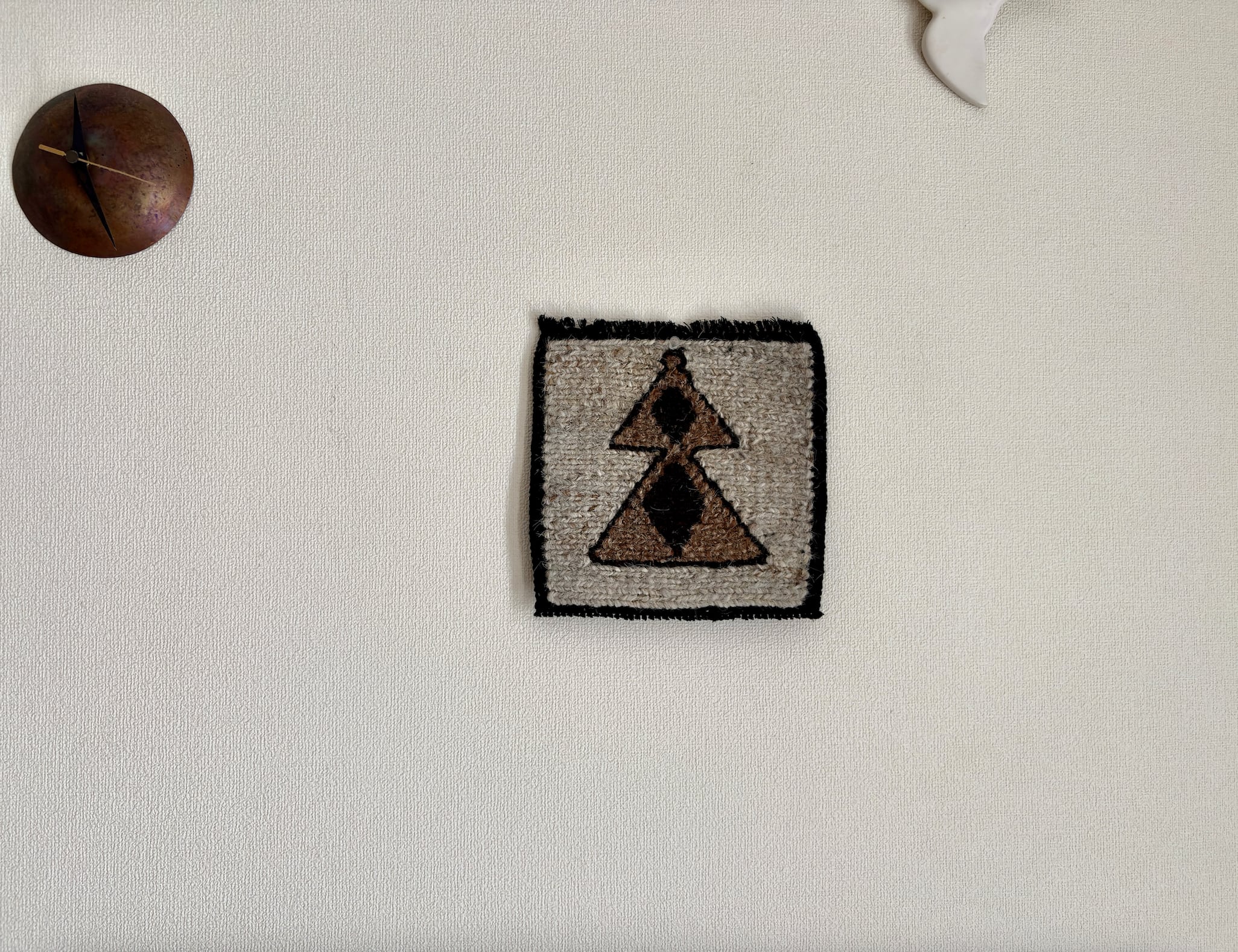
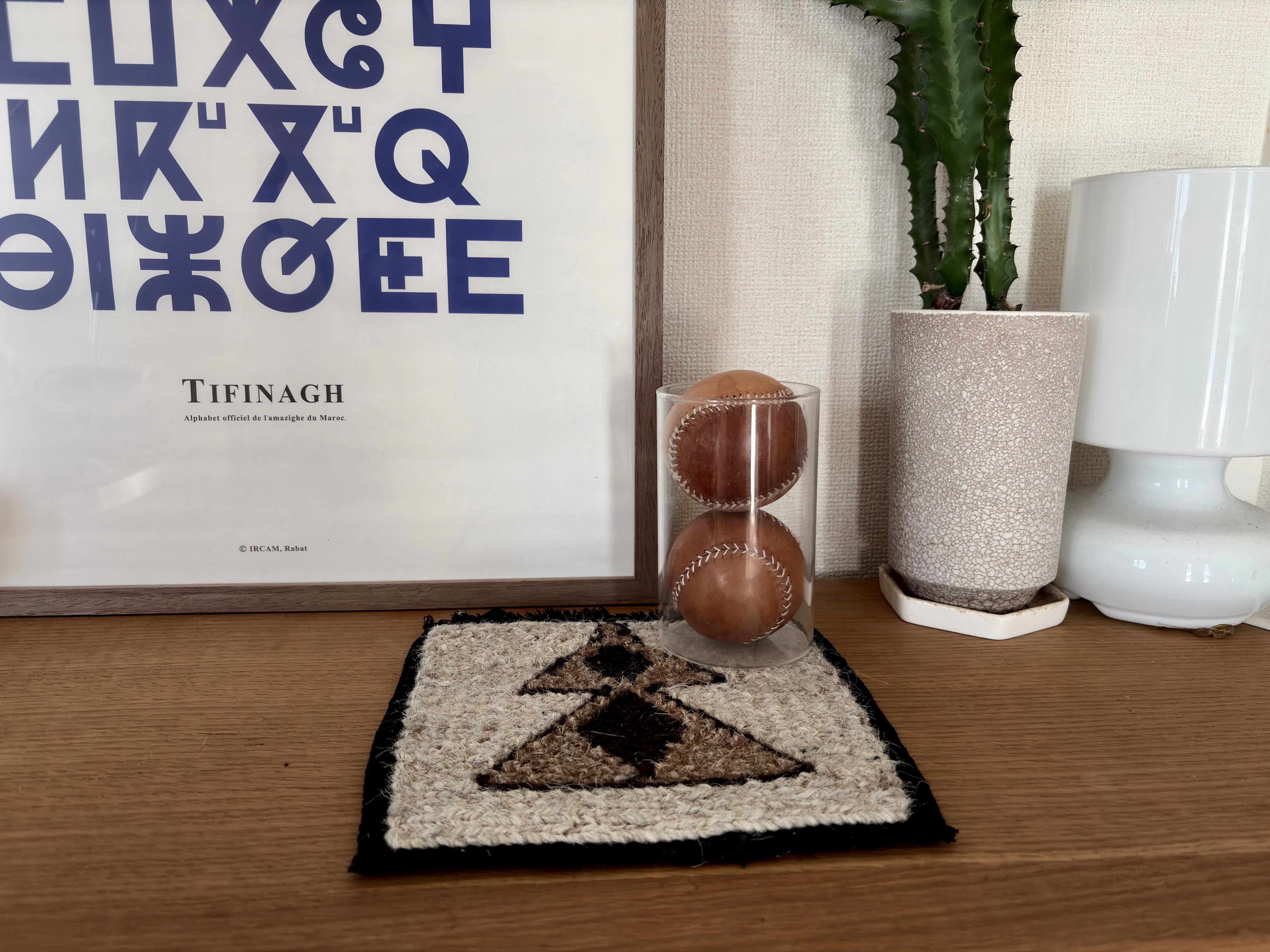
エチオピアの高地地域では、三角形の屋根を持つ住居が広く見られます。
この形は、雨季の降雨や強い日差しに対応するための合理的な構造で、自然環境に即した生活の知恵から生まれたものです。
住居は単なる建物ではなく、家族が集まり、食事をし、日々を重ねる生活の中心としての役割を担ってきました。
そのため、家の形はエチオピアの人々にとって、暮らしそのものを象徴する最も身近な造形のひとつです。
(住居マットのみフリンジがついています。)
鳥、住居、インジェラ。
これらはいずれも、エチオピアの人々にとって特別に飾り立てる対象ではなく、日常の中で当たり前に存在してきたものです。
その自然な距離感こそが、このテキスタイルの静かな強さであり、プリミティブでありながら、現代の空間にも無理なく馴染む理由となっています。
視覚的な強さよりも、空間に静かに溶け込む佇まいが特徴で、モダンインテリアやミニマルな空間とも相性の良い一枚です。
壁に掛けてテキスタイルアートとして楽しむほか、フラワーベースの下に敷けば、花器と家具との境界に奥行きが生まれ、静かなアクセントとして機能します。
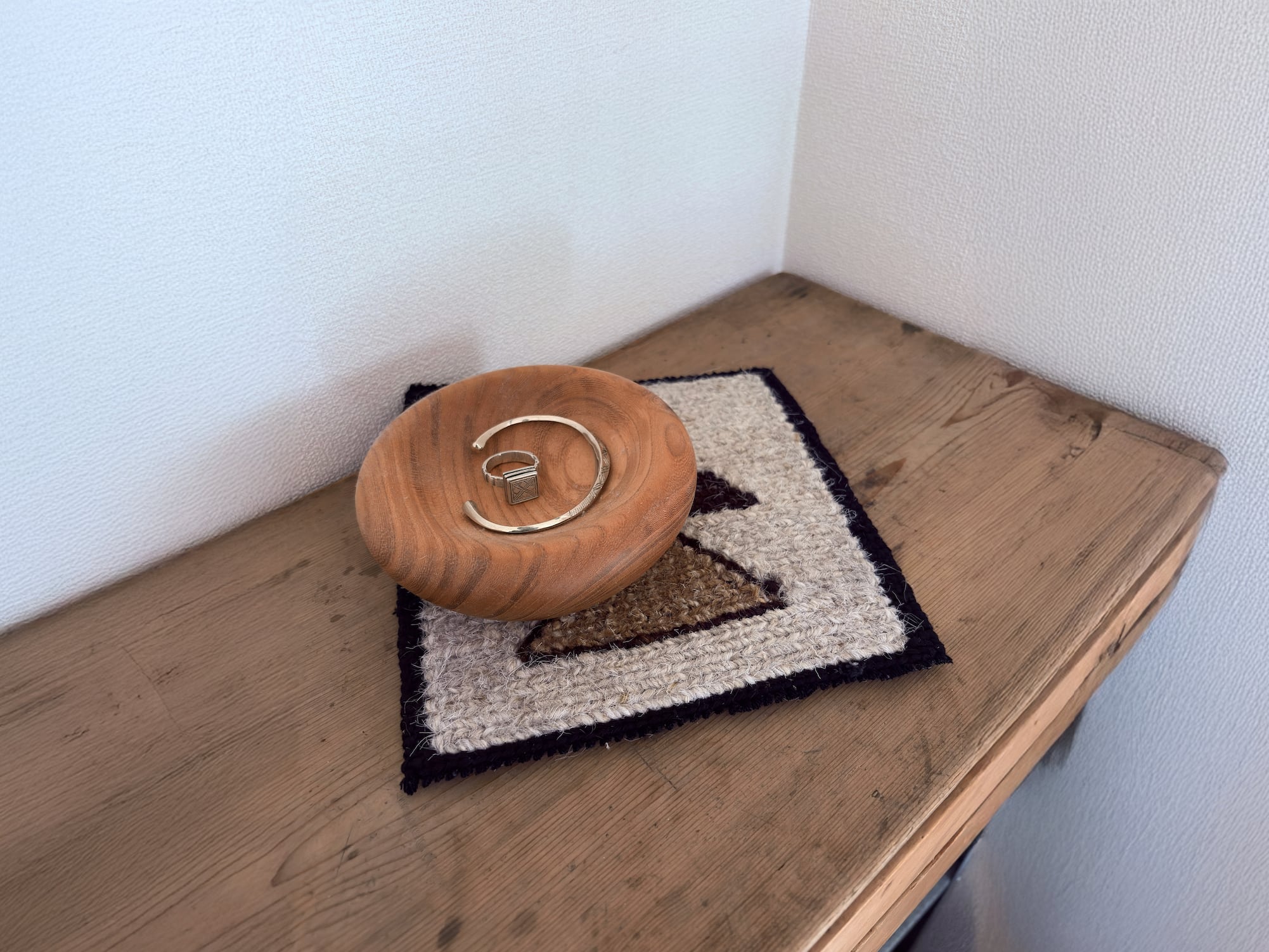
また、ミニラグとして小物やジュエリー、オブジェを載せる使い方もおすすめです。
天然ウールの柔らかな質感が、金属やガラス、石素材のアイテムを引き立て、ディスプレイ全体にまとまりを与えます。
玄関やサイドテーブル、ベッドサイドなど限られたスペースにも取り入れやすく、「敷く」という行為そのものが、空間を丁寧に整える演出となります。
一点もののため、同じ表情を持つ作品は存在せず、自分だけのアフリカンアートとしてお楽しみいただけます。
RELATED WORKS
現在販売中のエチオピア商品
▶︎https://wouet.theshop.jp/categories/7466754
手仕事の素材感や、空間に静かな輪郭をつくる一点を引き続きご紹介しています。
メンテナンス・注意点
・天然素材のため、強い直射日光や湿気は避けてください
・ホコリは柔らかいブラシや布で軽く払う程度のお手入れがおすすめです
・手仕事による織りムラや色の個体差は作品の特性としてご理解ください
This small textile artwork was handwoven in the Ethiopian highland cultural region.
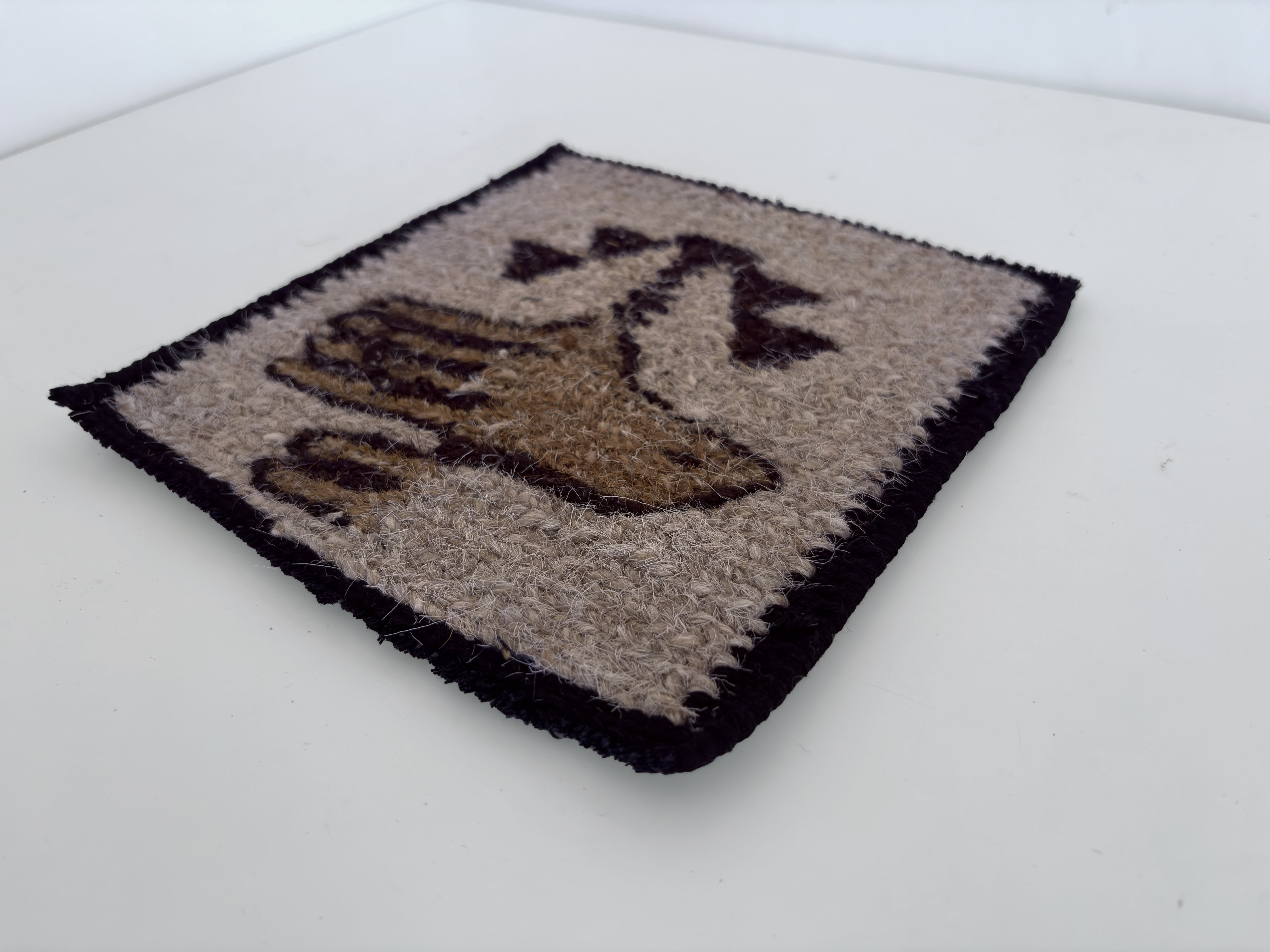
While simple in appearance, it has a strong sense of form. Hand-spun wool is used, and subtle variations in the thickness and twist of the yarn create a soft, organic surface that cannot be replicated by machine production.
The textile is composed with a short pile and a dense weave. The motifs are not applied afterward but are carefully woven directly into the structure during the weaving process.
At the center appear motifs of a traditional highland dwelling, injera—the staple food of Ethiopia—and birds. Each of these elements represents something deeply rooted in everyday Ethiopian life.
①Ethiopian Dwellings
In the Ethiopian highlands, houses with triangular roofs are commonly seen.
This form is a practical response to heavy seasonal rain and strong sunlight, shaped by generations of living in close connection with the natural environment.
A house is not merely a structure, but the center of daily life—a place where families gather, share meals, and spend time together.
For this reason, the shape of the home is one of the most familiar and fundamental forms representing life itself for the Ethiopian people.
②Injera
Injera is Ethiopia’s staple food, made by fermenting grain batter and baking it into a thin, crepe-like bread.
Soft in texture with a distinctive tangy flavor, it is used to scoop up and wrap various dishes.
At the table, a large sheet of injera is spread out and topped with several shared dishes, with everyone eating from the same surface.
This style of eating is central to Ethiopian food culture.
Injera is not simply food; it is the foundation of shared meals and the time spent together around the table.
Sharing injera with family and friends is a natural way of confirming relationships and spending time together in everyday life.
The injera-like form woven into this textile represents not the food itself, but the shared moments and actions that form the core of daily life.
③Bird Motif
As seen in the ceramic guinea fowl figurines popular at WOUET, birds in Ethiopian and broader African cultures are not treated as exaggerated symbols, but as familiar creatures that live close to people.
For this reason, bird motifs tend to be expressed simply, without strong narrative or symbolism.
They reflect a way of life lived in harmony with nature and the quiet presence of the natural world within everyday surroundings.
Birds, dwellings, and injera—
none of these are decorative subjects elevated above daily life. They are ordinary, familiar elements that have always existed within it.
This natural sense of distance gives the textile its quiet strength, allowing it to feel both primitive and effortlessly suited to contemporary interiors.
The color palette, based on natural ivory tones combined with brown and black, has a calm presence that recalls natural materials and plant-based dyes.
Rather than standing out visually, it blends gently into a space, making it well suited to modern and minimalist interiors.
It can be enjoyed as a textile artwork hung on the wall, or placed beneath a flower vase to create depth and a subtle visual boundary between the object and the furniture.
It also works beautifully as a mini rug for displaying small objects, jewelry, or sculptural pieces.
The soft texture of natural wool enhances materials such as metal, glass, and stone, bringing cohesion to curated displays.
Easy to incorporate into small spaces such as entryways, side tables, or bedside areas, the simple act of placing it adds a sense of care and intention to the space.
As a one-of-a-kind piece, no two are alike, allowing you to enjoy it as a truly personal work of African textile art.
ITEM DETAILES
From : エチオピア (Ethiopia)
Material : ウール
Category : New
Size(約) : W21.5cm × H21.3cm(フリンジは含まず)
<注意事項>
・サイズは多少の誤差がございます。
・お使いのデバイスの環境設定により、実物と画面上の色味・明るさが異なる場合 があります。
・その他詳細画像のご希望・ご質問等ございましたら、お気軽にお問い合わせ下さい。
・当店の商品はアフリカ各地からの新品・ヴィンテージ作品を販売しております。
商品詳細欄にて出来る限りの商品説明はいたしておりますが、どちらの作品も多少の傷、はげ、汚れ、経年に伴う変色などがある事をご理解願います。
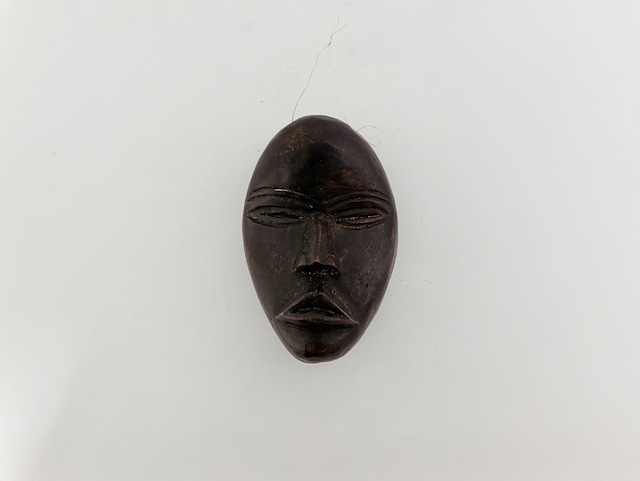 コートジボワール ダン族 パスポートマスク|ヴィンテージ 木彫仮面 アフリカマスク|Vintage Passport Mask, Dan people, Côte d'Ivoire¥14,500
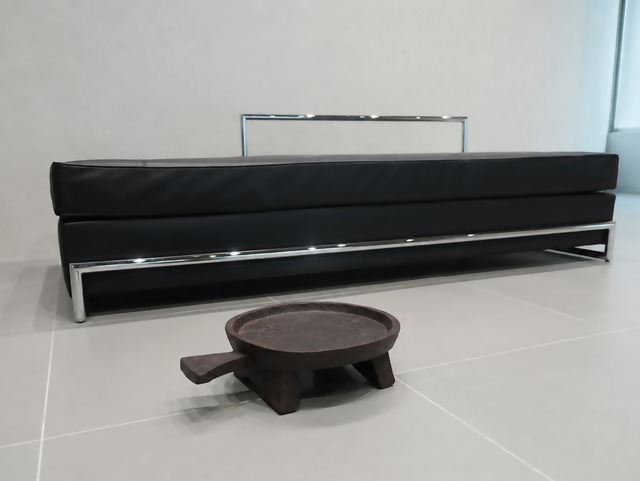 エチオピア ヴィンテージ コーヒーテーブル|持ち手付き アフリカ家具 ローテーブル|Ethiopian vintage Coffee Table¥29,800
 エチオピア ヴィンテージ スクエア コーヒーテーブル|アフリカインテリア アフリカ 家具|Ethiopian Low table¥38,900